


Table of Contents
- What Makes Premium Matcha Grades Different
- Ceremonial Grade Matcha vs Culinary Grade: Key Differences
- L-Theanine Content in Matcha and Mental Focus
- Antioxidant Power: EGCG and Catechins Explained
- How to Store Matcha for Maximum Freshness and Nutrient Retention
- Identifying High-Quality Premium Matcha
- Health Benefits Across Premium Matcha Grades
- Conclusion
- Frequently Asked Questions
Last Updated: September 28, 2026
What Makes Premium Matcha Grades Different
Premium matcha grades represent a fundamental shift in how you approach your daily tea ritual. The difference between ceremonial and culinary grade matcha isn't just marketing, it's rooted in cultivation methods, processing standards, and nutrient density. When producers shade-grow tea plants for premium matcha grades, they trigger specific biochemical changes that don't occur in full-sun cultivation. The result is a product with measurably different amino acid profiles, chlorophyll content, and flavor characteristics.
At Gone to the Dogs, we understand that choosing premium matcha grades means investing in quality that extends beyond taste. You're selecting a product where every step, from harvest timing to stone-grinding, influences the final nutritional profile. The youngest leaves harvested earliest in the season contain higher concentrations of beneficial compounds. This is why premium matcha grades command attention from anyone serious about elevating their morning ritual.
The grading system itself lacks universal standardization across producers, which is why understanding what distinguishes one grade from another matters. Some producers use vague terms like "premium" without clear criteria. Others follow more rigorous standards based on leaf age, harvest timing, and processing methods. Knowing these distinctions helps you make informed choices about which premium matcha grades align with your health goals and taste preferences.
Ceremonial Grade Matcha vs Culinary Grade: Key Differences
The distinction between ceremonial grade matcha and culinary grade matcha represents the most important decision when selecting premium matcha grades. Ceremonial grade uses only the youngest leaves from the first harvest, processed with meticulous care to preserve delicate flavors and nutrient profiles. Culinary grade incorporates older leaves and stems, resulting in a more strong, sometimes slightly bitter flavor better suited to blending with other ingredients.
Ceremonial Grade: Highest Quality Standard
Ceremonial grade matcha is the pinnacle of premium matcha grades. It comes from the youngest leaves harvested at the very beginning of spring, when the plant has concentrated its nutrients after winter dormancy. These leaves are shade-grown for three to four weeks before harvest, maximizing chlorophyll and amino acid development. The processing involves careful drying and stone-grinding into an extremely fine powder, so fine that it whisks smoothly into water without clumping.
The umami flavor profile of ceremonial grade is distinctive: slightly sweet, grassy, with creamy undertones. This grade is designed for traditional whisking ceremonies and standalone consumption, where the tea's subtle qualities take center stage. When you prepare ceremonial grade matcha, you're tasting the full expression of what premium matcha grades can deliver. The vibrant green color indicates high chlorophyll content, a visual marker of nutrient density.
Ceremonial grade commands higher prices because yield is lower and waste is minimal. Only the finest leaves make the cut. This exclusivity reflects genuine quality differences, not artificial scarcity. If you're exploring premium matcha grades for the first time, ceremonial grade delivers the most complete sensory and nutritional experience.
Culinary Grade: Practical and Still Beneficial
Culinary grade matcha represents a pragmatic choice within premium matcha grades. It uses older leaves from subsequent harvests and includes some stem material, which contributes a slightly more astringent, earthy character. This grade works exceptionally well in lattes, smoothies, baked goods, and other applications where matcha blends with other flavors rather than standing alone.
The cost-to-benefit ratio of culinary grade is compelling. You retain meaningful concentrations of catechins, EGCG, and L-theanine while paying significantly less than ceremonial grade. Many people find that culinary grade matcha delivers the health benefits they seek without the premium price tag. The flavor is more assertive, which actually enhances certain applications, a matcha latte with milk and sweetener, for instance, showcases culinary grade beautifully.
Processing standards for culinary grade are still rigorous within premium matcha grades, but less exacting than ceremonial. The powder may be slightly coarser, and color variation is more acceptable. This doesn't mean lower quality, it means a different product optimized for different uses. If you're building a daily matcha habit, culinary grade offers sustainability in both cost and consistency.
| Grade | Leaf Age | Best Use | Flavor Profile | Price Point |
|---|---|---|---|---|
| Ceremonial | Youngest leaves only | Traditional whisking, standalone | Sweet, grassy, creamy | Premium |
| Culinary | Older leaves + stems | Lattes, smoothies, baking | Earthy, strong, slightly bitter | Moderate |
L-Theanine Content in Matcha and Mental Focus
L-theanine is an amino acid that distinguishes matcha from other caffeinated beverages, and it's one of the primary reasons people seek out premium matcha grades for cognitive support. When you consume L-theanine alongside caffeine, the combination produces sustained focus without the jitters common to coffee. The amino acid promotes alpha brainwave activity, the state associated with calm alertness and creative thinking.
Premium matcha grades contain significantly higher L-theanine concentrations than lower-quality versions because of shade-growing practices. The shading stress triggers the plant to produce more amino acids as a defense mechanism. Ceremonial grade matcha, in particular, delivers strong L-theanine levels due to early harvest timing and careful processing that preserves volatile compounds.
The practical effect is noticeable. Many people report that matcha provides sustained mental clarity for three to four hours, compared to the sharper spike-and-crash cycle of coffee. This steadiness makes premium matcha grades especially valuable for professionals managing long work sessions, students preparing for exams, or anyone seeking cognitive support without overstimulation. The combination of caffeine and L-theanine creates a synergistic effect that caffeine alone cannot replicate.
Antioxidant Power: EGCG and Catechins Explained
EGCG (epigallocatechin gallate) is the most abundant catechin in matcha, and it's the compound most directly linked to the health benefits people associate with premium matcha grades. Catechins are a class of polyphenols with potent antioxidant properties. They work by neutralizing free radicals, unstable molecules that contribute to oxidative stress and cellular aging.
Premium matcha grades deliver catechin concentrations that far exceed steeped green tea because you consume the entire leaf as a powder rather than steeping and discarding the leaf material. A single serving of ceremonial grade matcha can contain as many catechins as ten cups of brewed green tea. This bioavailability difference is substantial. You're not just drinking flavored water, you're ingesting the full nutrient density of the leaf.
EGCG specifically has been studied for its potential role in supporting metabolic function and cellular protection (Checking your browser). The catechins in premium matcha grades appear to support the body's natural defense systems against oxidative stress. This is why matcha enthusiasts often describe it as an antioxidant powerhouse. The vibrant green color you see in high-quality matcha reflects the chlorophyll content, which works alongside catechins to provide comprehensive antioxidant support.
How to Store Matcha for Maximum Freshness and Nutrient Retention
Storage directly impacts the health benefits of premium matcha grades. Matcha is a finely ground powder with high surface area, making it vulnerable to oxidation and moisture absorption. Once exposed to air, the nutrient profile begins degrading immediately. Proper storage practices are not optional, they're essential to preserving what makes premium matcha grades valuable.
The ideal storage environment is cool, dark, and dry. An airtight container, preferably opaque or dark glass, protects the powder from light exposure. Oxygen is matcha's enemy. Vacuum-sealed containers or canisters with airtight seals work best. Avoid clear glass jars on open shelves.
Identifying High-Quality Premium Matcha
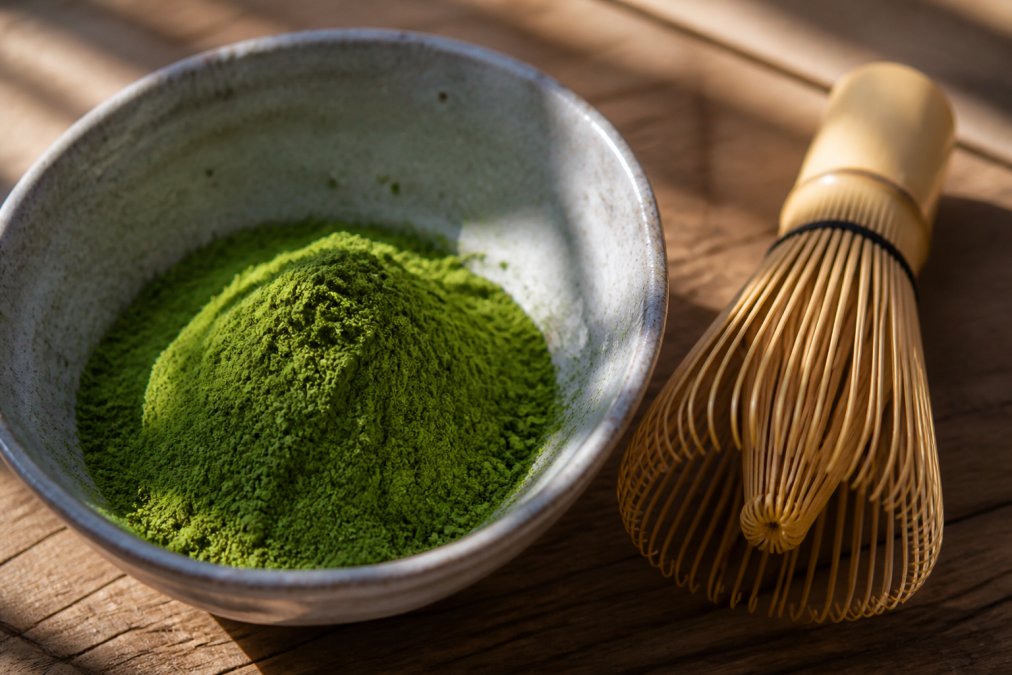
Identifying high-quality premium matcha grades requires attention to specific visual and sensory markers. Color is the first indicator. Authentic premium matcha grades display a vivid, almost luminous green, not dull olive or yellowish-green. This vibrant hue reflects high chlorophyll content, which correlates with the shade-growing practices that define premium matcha grades. Dull color signals either lower grade or poor storage conditions.
Health Benefits Across Premium Matcha Grades
The health benefits of premium matcha grades extend across multiple physiological systems, though the intensity varies by grade. Both ceremonial and culinary grade matcha deliver meaningful nutritional support, but ceremonial grade concentrates benefits more densely due to younger leaf material and more careful processing.
Conclusion
Premium matcha grades represent a meaningful investment in your daily ritual and long-term health. The distinction between ceremonial and culinary grade reflects genuine quality differences rooted in cultivation, harvest timing, and processing standards. Whether you choose ceremonial grade for its complete sensory and nutritional expression or culinary grade for its practical versatility, you're selecting a product with meaningful health benefits backed by nutrient density.
Frequently Asked Questions
What grade of matcha is healthiest?
Ceremonial grade matcha is the healthiest option because it comes from the youngest tea leaves, which contain higher concentrations of L-theanine, catechins, and EGCG. These premium matcha grades are shade-grown longer, increasing chlorophyll and amino acid content. However, culinary grade still delivers significant health benefits, the difference is in concentration and purity rather than the presence of nutrients themselves.
Does culinary grade matcha still have health benefits?
Yes, culinary grade matcha provides real health benefits including antioxidants, sustained energy from caffeine and L-theanine, and support for metabolic rate and cognitive function. The main difference is that culinary grades contain a higher proportion of stems and older leaves, which have lower EGCG and L-theanine levels than ceremonial grades. It's still an excellent choice for daily consumption if premium grades aren't in your budget.
Is there a measurable difference in L-theanine content between matcha grades?
Yes, L-theanine content varies significantly between grades. Ceremonial grade matcha, made from the youngest leaves picked in early spring, contains substantially higher L-theanine levels than culinary grade. This amino acid is responsible for promoting mental clarity and concentration without the jitters associated with caffeine alone. Premium grades preserve more L-theanine because the leaves are processed more carefully and stored properly to prevent degradation.
What should I look for on a label to ensure I'm buying premium matcha?
Look for 'ceremonial grade' or 'premium grade' designation on the label. Check that the matcha has a vibrant, bright green color, dull or yellowish powder indicates age or poor storage. The texture should be fine and smooth, like powder, not grainy. Verify the origin (Japanese matcha is the standard), and confirm the matcha is stone-ground and shade-grown. Avoid labels with added ingredients if you want pure matcha for maximum health benefits.


