


Table of Contents
- The Real Cost of Specialty Tea vs Regular Tea Bags
- Specialty Tea vs Regular Tea: What Actually Differs
- What Makes Tea High Quality
- Cheap vs Expensive Tea: Breaking Down the Value
- How to Choose Specialty Tea That Justifies the Cost
- Our Top Specialty Tea Picks Worth the Investment
- Does Specialty Tea Taste Better? The Satisfaction Question
- The Verdict: When Specialty Tea Pays for Itself
- Frequently Asked Questions
Last Updated: October 12, 2026
The Real Cost of Specialty Tea vs Regular Tea Bags
Most people assume specialty tea costs more because it tastes marginally better, but the real question is whether is specialty tea worth the price.
A supermarket tea bag costs $0.25 to $0.50 per serving. Specialty loose-leaf tea runs $22.99 for 20-30 cups, or roughly $0.75 to $1.15 per serving.
The real cost difference is what you're paying for: volume and convenience versus quality and experience. Tea bags prioritize shelf stability; specialty tea prioritizes flavor, aroma, and ritual.
So is specialty tea worth the price? The answer depends on whether the improved taste, aroma, and brewing experience justify spending an extra $0.40 to $0.65 per cup. It's whether the improved taste, aroma, and brewing experience justify spending an extra $0.40 to $0.65 per cup.
Specialty Tea vs Regular Tea: What Actually Differs
Specialty tea and regular tea bags start with the same plant. The difference is in what happens next.
Regular tea bags contain broken leaves, dust, and fannings, the leftover fragments from processing whole leaves.
Specialty tea uses whole leaves or large leaf pieces selected for flavor potential. Their structure means slower, more controlled extraction, so you get complexity instead of bitterness.
Specialty tea requires slightly more attention: hot water, a strainer or infuser, and patience. But that ritual is intentional, you're creating a moment, not rushing a convenience product.
Ingredient quality matters too. Specialty tea producers source from specific gardens, harvest at specific times, and process with precision. Regular tea bags source from commodity markets where price drives selection. You taste the difference in every sip.
What Makes Tea High Quality
Quality in tea comes down to three measurable factors: the leaves themselves, how they're processed, and how they're stored.
Ingredient Quality and Sourcing
High-quality tea starts in the garden. Climate, elevation, rainfall, soil, and temperature all influence flavor, so a leaf from a premium garden in the right season tastes fundamentally different from one picked from a commodity plantation.
Specialty tea producers identify gardens known for distinct flavor profiles and often work directly with growers to ensure consistent harvesting standards. The first flush of spring leaves delivers the most delicate, complex flavors; later harvests produce stronger profiles suited to different preparations.
Ingredient sourcing also means transparency. When you buy specialty tea, you should know the specific region, elevation, and harvest date, not just "China" or "India." Commodity tea bags rarely provide this traceability because their leaves come from mixed sources.
Brewing Results and Flavor Strength
How tea brews reveals its quality. High-quality loose-leaf tea produces clear, vibrant color in the first steep, with layered aroma and flavor. Each steep tastes different, revealing new dimensions.
Regular tea bags produce muddy color within 30 seconds and one-dimensional flavor. Overbrewing happens fast because fragmented leaves release everything at once, turning bitter past three minutes.
Specialty tea's whole leaves release flavor gradually: a three-minute steep delivers a balanced cup, five minutes tastes richer, and seven reveals entirely different notes. That flexibility means you control the strength and character of your cup.
Flavor strength also comes from intentional blending. When a producer combines jasmine blossoms with green tea, they time the pairing to maximize how the flavors interact. The result tastes like a thoughtful composition, not a random mixture.

Cheap vs Expensive Tea: Breaking Down the Value
The pricing spectrum for tea is wide, and not all expensive tea delivers proportional value. Understanding where money actually goes helps you make smarter choices.
Budget tea bags ($0.15-$0.30 per serving) prioritize volume and shelf stability. You're paying for convenience and consistency, not flavor complexity. They work when you're adding milk and sugar anyway, but they're not designed to be savored.
Mid-range specialty tea ($0.75-$1.50 per serving) is where most value concentrates: whole or large-cut leaves from identified sources, processed with care and stored properly.
High-end specialty tea ($1.50-$3.00+ per serving) focuses on rarity, terroir, and processing precision, often from specific microclimates or limited harvests using hand-rolling, sun-drying, or other labor-intensive techniques.
The mistake most people make is assuming more expensive always means better value. A $3-per-serving tea might taste excellent, but if you brew it once instead of three times, you're not getting proportional value.
| Tea Category | Price Per Serving | Leaf Quality | Brewing Flexibility | Best For |
|---|---|---|---|---|
| Budget Bags | $0.15-$0.30 | Fannings & dust | Single steep only | Everyday convenience |
| Mid-Range Specialty | $0.75-$1.50 | Whole or large-cut leaves | 2-4 steeps | Daily enjoyment & value |
| Premium Specialty | $1.50-$3.00+ | Hand-selected, limited harvest | 3-5 steeps | Connoisseurs & rituals |
How to Choose Specialty Tea That Justifies the Cost
Not all specialty tea is created equal, and price alone doesn't determine quality. Here's how to evaluate whether a tea is actually worth the investment.
Start by examining the leaves. Whole leaves or large leaf pieces signal quality; mostly dust or broken fragments means mid-tier tea masquerading as specialty. Leaves should show visible color variation, since uniformity can indicate over-processing or blending with lower-grade material.
Check the sourcing information. Reputable producers list the garden, region, and harvest date.
Aroma is your next test. Specialty tea should smell complex and inviting before brewing.
Finally, brew a test cup. Use proper water temperature for the tea type, usually 160-212°F. The first cup should taste clean and balanced, not bitter or weak, and should make you want a second steep.
Our Top Specialty Tea Picks Worth the Investment
We've selected five specialty teas that deliver genuine value, each one justifies its price through flavor complexity, brewing flexibility, and the ritual they create.
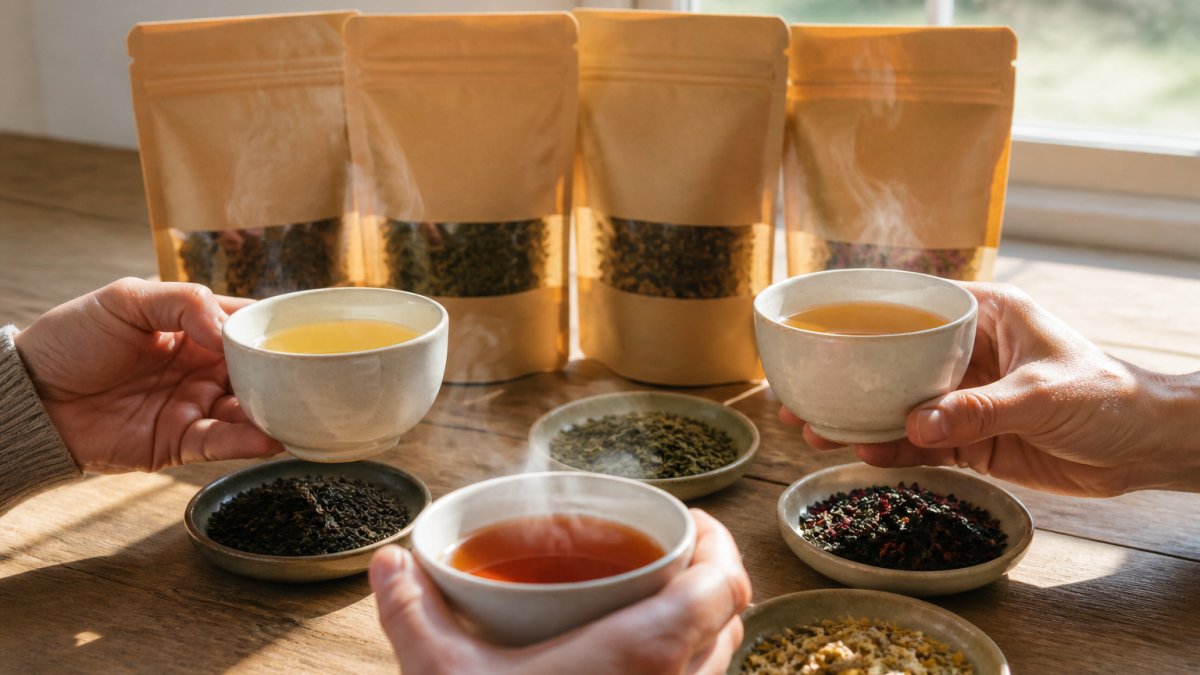
Matcha: Premium Powder for Ritual and Taste
Matcha stands apart because you consume the entire leaf, not steep and discard it. At $22.99, you get a powder refined for traditional preparation and mindful daily rituals, delivering the full nutritional and flavor profile of the leaf.
The ritual matters here. Matcha preparation requires attention: whisking the powder with hot water, adjusting temperature, taking time. The result is a smooth, umami-forward cup that tastes nothing like regular green tea, with a lingering flavor that reveals subtle sweetness and depth.
Matcha works best for people who value ceremony alongside taste. If you're looking for quick caffeine, regular tea bags are more practical. But if you want a moment of intentional preparation that produces a genuinely different flavor experience, matcha justifies the cost.
Hojicha: Roasted Excellence with Umami Depth
Hojicha is roasted green tea powder crafted from selected leaves and stems, stone-milled into a fine powder. It brews into a smooth cup with comforting notes of toasted cereal and balanced umami. At $22.99, you're getting complexity supermarket tea cannot match.
The roasting process transforms the tea completely. Green tea tastes grassy or vegetal. Roasted hojicha tastes warm, slightly sweet, and deeply comforting. The umami, that savory, satisfying quality, makes it work beautifully with milk or on its own. It's lower in caffeine than other teas, making it ideal for evening drinking.
What makes hojicha worth the price is how different it tastes from anything in a tea bag. The roasting level, leaf selection, and milling all contribute to a specific taste profile, a carefully crafted experience, not a generic "tea flavor."
Jasmine, Moroccan Mint, and Masala Chai: Flavor-Forward Blends
These three blends demonstrate how specialty tea producers create complexity through intentional pairing.
Jasmine ($22.99) pairs freshly plucked jasmine blossoms with hand-picked green tea. The green tea is prepared first, then combined with the blossoms at exactly the right moment to create harmony.
Moroccan Mint ($22.99) combines green tea with fresh mint in a smooth, vibrant blend that's refreshing hot and transforms beautifully when iced.
Masala Chai ($22.99) delivers the bold, spicy character of Indian Masala Chai: full-bodied, aromatic, and intense. It works beautifully as a traditional chai with milk and sugar, but it's also invigorating on its own.
Each blend costs $22.99 because the producer invested in sourcing specific ingredients, timing their combination, and testing the balance. You're paying for that intentionality.
Does Specialty Tea Taste Better? The Satisfaction Question
This is the question that actually matters. Does specialty tea taste better than regular tea bags?
Yes, but "better" depends on what you're comparing and what you value.
Specialty tea tastes more complex: layers of flavor instead of a single flat note, an aroma with character, a finish that lingers. If you value complexity and nuance, specialty tea tastes objectively better.
Regular tea bags taste consistent and strong, delivering caffeine quickly and reliably.
Satisfaction, though, is where specialty tea wins consistently. People who switch report enjoying their tea ritual more: they look forward to the preparation and savor the cup instead of rushing through it.
That satisfaction is real and worth paying for. When you invest in a daily ritual, the quality compounds: a mediocre cup you rush through feels different from a satisfying cup you actually enjoy.
The Verdict: When Specialty Tea Pays for Itself
Specialty tea is worth the price when three conditions align: you value flavor complexity, you're willing to invest time in preparation, and you drink tea regularly enough to justify the upfront cost.
If you drink one cup per week, specialty tea doesn't make financial sense; budget bags are fine.
The real value isn't in the tea itself but in the ritual and satisfaction of enjoying what you drink.
At Gone to the Dogs, we've curated a selection of specialty teas designed to deliver this exact experience. Our Matcha, Hojicha, Jasmine, Moroccan Mint, and Masala Chai blends each cost $22.99 and are crafted with purpose and care to make every cup worth savoring.

The question isn't whether specialty tea is worth the price. It's whether you're ready to transform your daily tea routine from a convenience into a ritual. When you are, specialty tea pays for itself immediately.
If you've been tolerating mediocre tea out of habit or budget concerns, specialty tea offers a genuine upgrade. Start with one of our specialty blends: add Matcha to your cart and experience the difference intentional sourcing and careful preparation make.

Frequently Asked Questions
Why is specialty tea more expensive than regular tea?
Specialty tea costs more because of ingredient quality, sourcing, and preparation. Loose-leaf specialty teas use whole leaves and premium blends, while ordinary tea bags contain broken leaves and dust. Specialty teas are often hand-picked, stone-milled, or carefully blended with fresh ingredients like jasmine blossoms. The flavor is stronger and more complex, meaning you use less per cup and get multiple steepings, offsetting the higher upfront price per package.
Does expensive tea actually taste better than cheap tea?
Yes, in most cases. High-quality tea delivers stronger flavor, better aroma, and more pleasant drinking experience. Premium loose-leaf tea brews with cleaner taste and greater depth, while ordinary tea bags often taste flat or bitter due to overbrewing from broken leaves. The difference is most noticeable in specialty blends like Jasmine or Masala Chai, where fresh ingredients and careful sourcing create a cup that ordinary tea cannot match.
How do I know if specialty tea is good quality?
Look for whole leaves rather than dust or broken pieces, hand-picked or carefully selected sourcing information, and transparent ingredient lists. Quality specialty tea has a fresh aroma, brews into clear liquid with visible color, and delivers consistent flavor across multiple steepings. Brands that describe their sourcing, preparation method (like stone-milled for matcha or hand-picked for jasmine), and brewing results are typically more reliable than generic labels.
Is specialty tea worth buying for everyday drinking?
It depends on your priorities. If you drink tea daily and value flavor and aroma, specialty tea is worth it because you use less per cup and get more steepings, making the cost-per-serving competitive with ordinary tea bags. If you simply need caffeine and don't notice taste differences, ordinary tea is fine. Most specialty tea drinkers find that the improved satisfaction and ritual make daily specialty tea a worthwhile investment in their morning or evening routine.


